
Stitching adventures in Mexico
TEXTILES, CULTURE AND GASTRONOMY
with Nadia Albertini
February 12-22, 2027
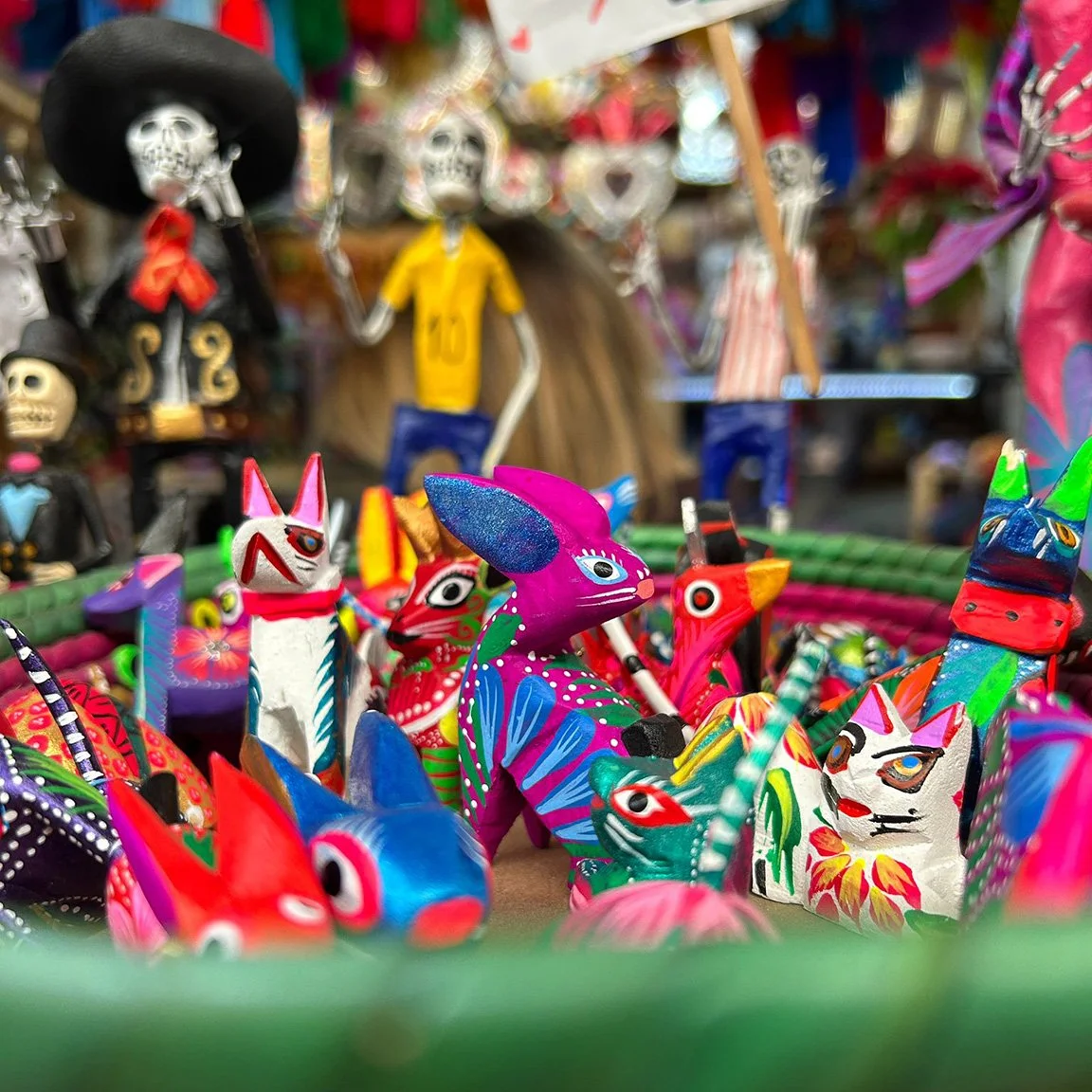
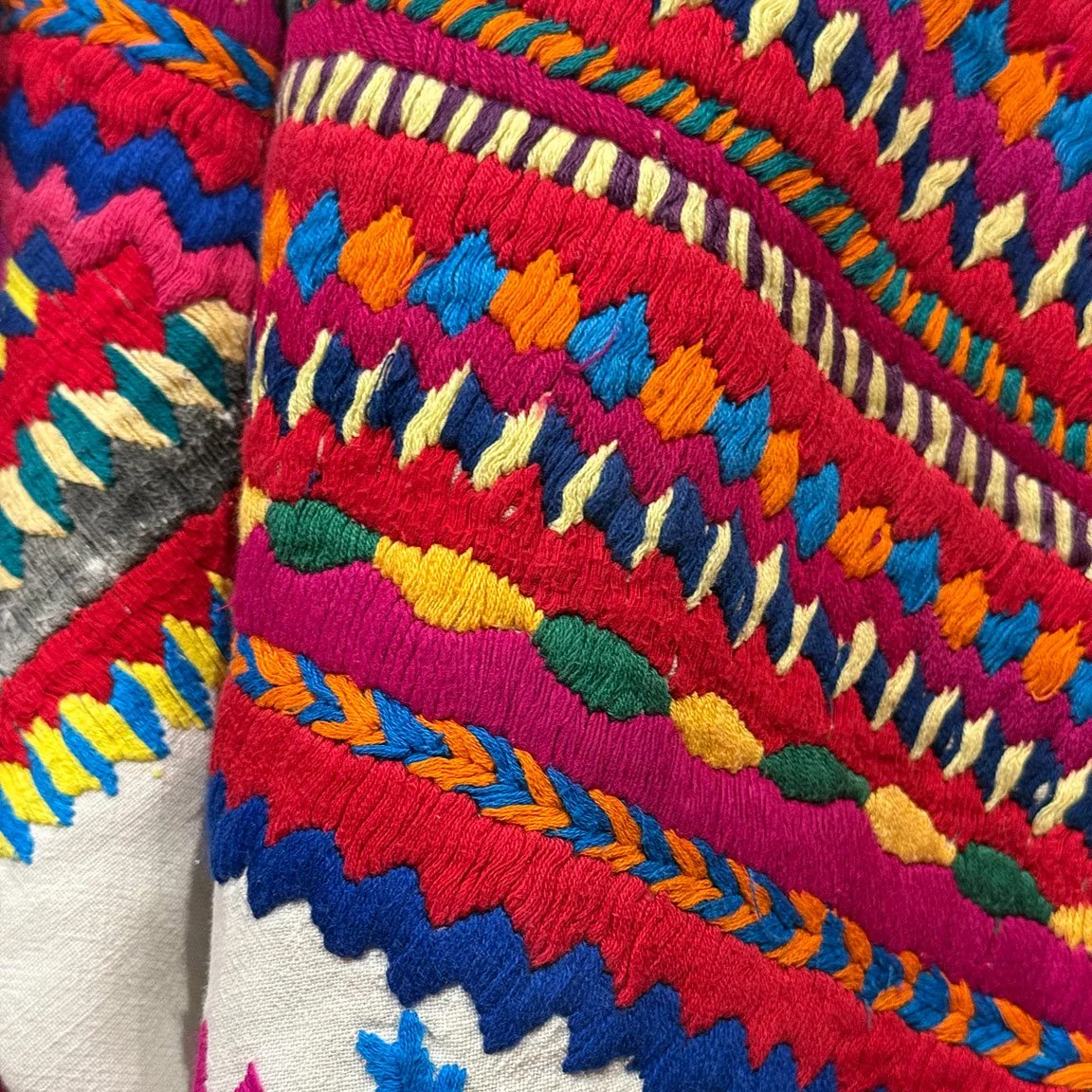
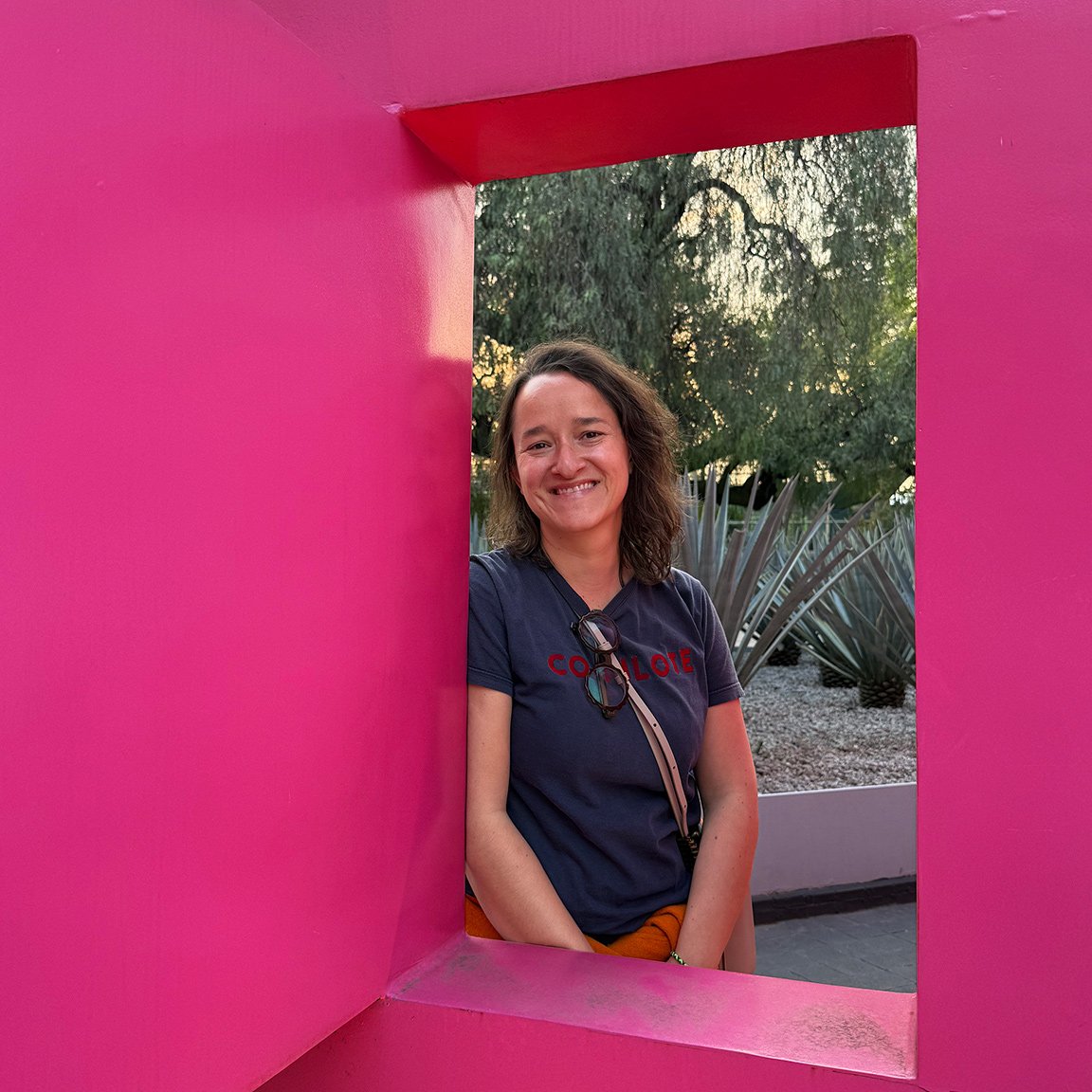
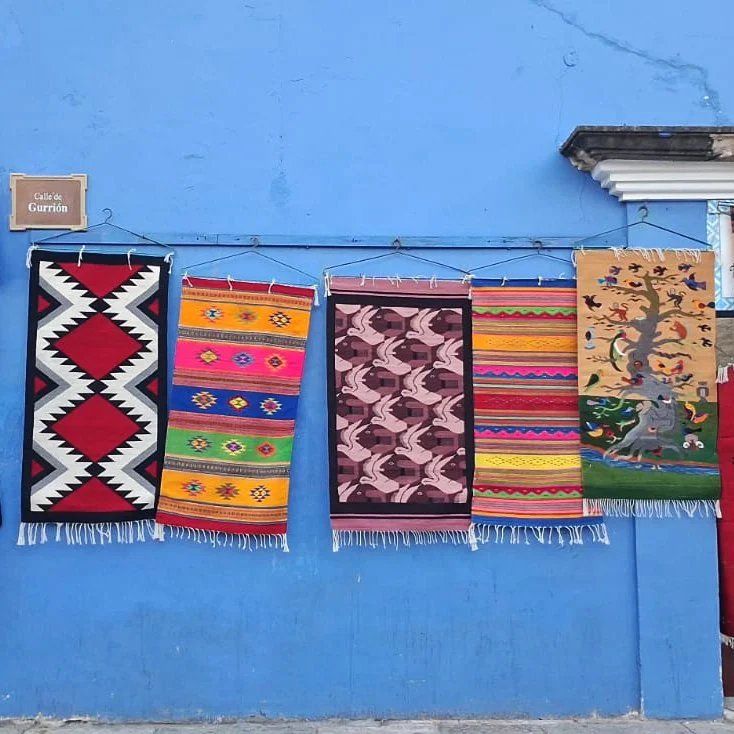
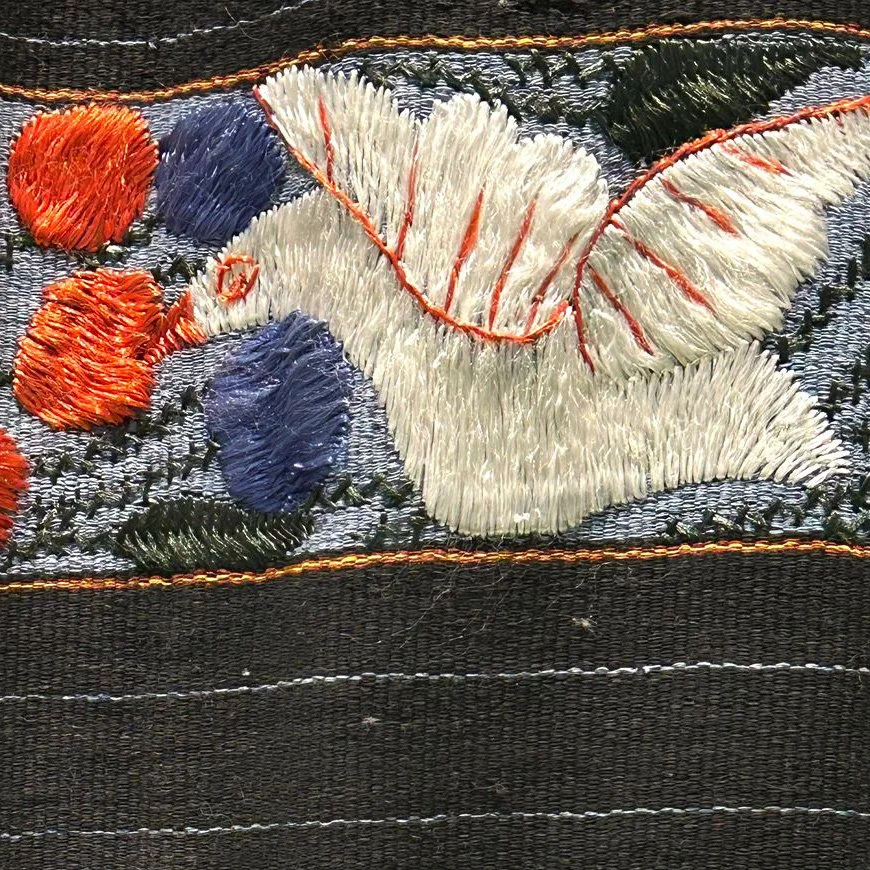
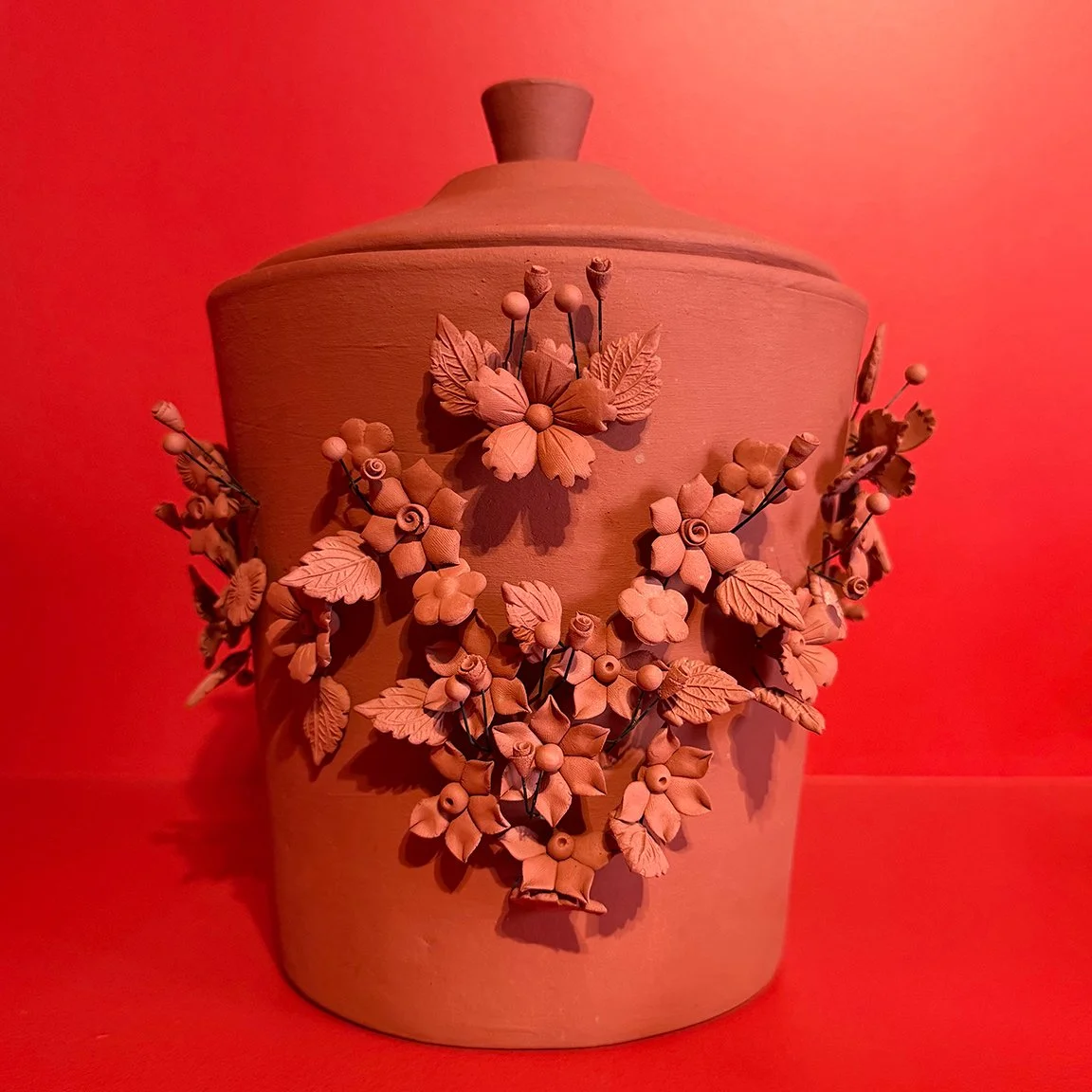
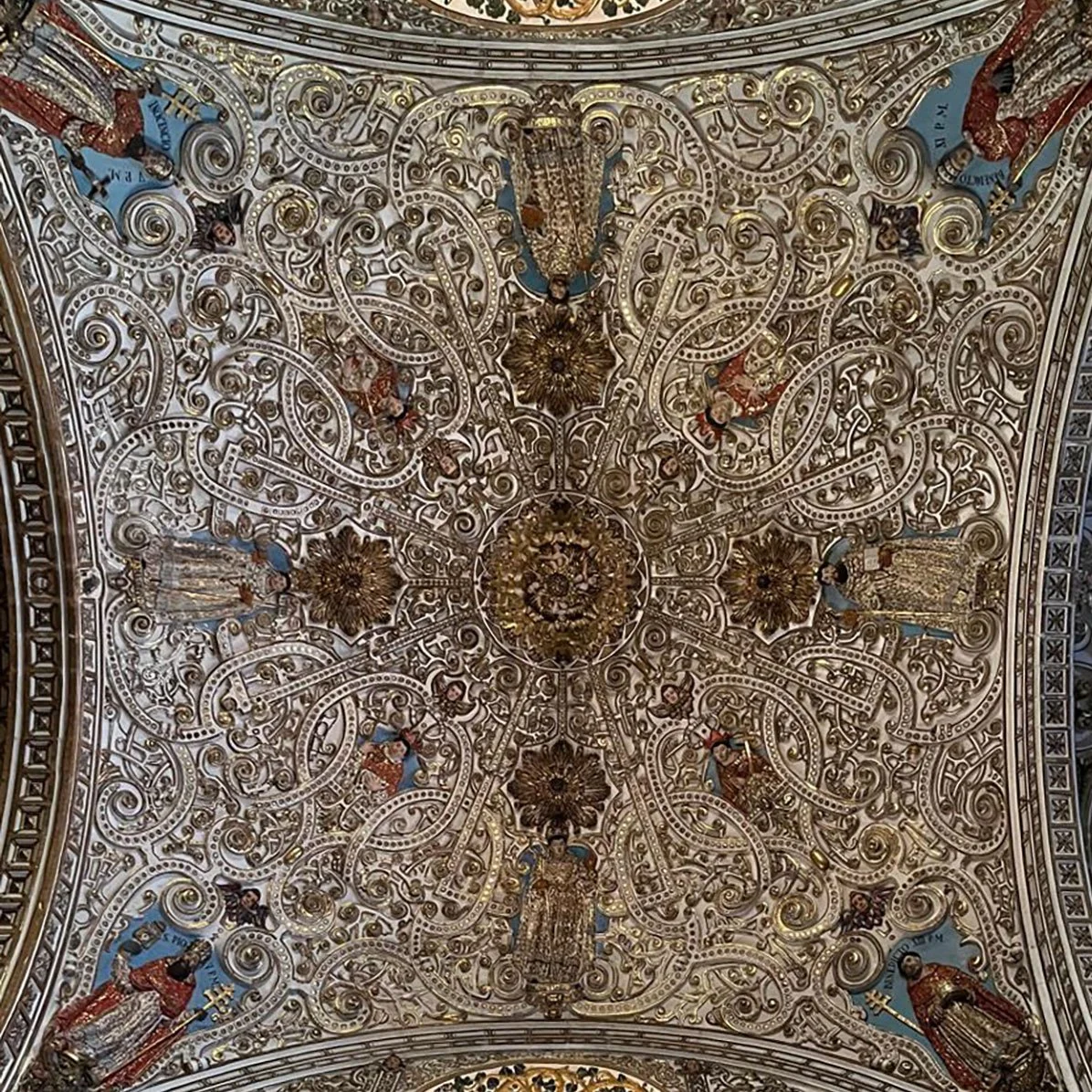
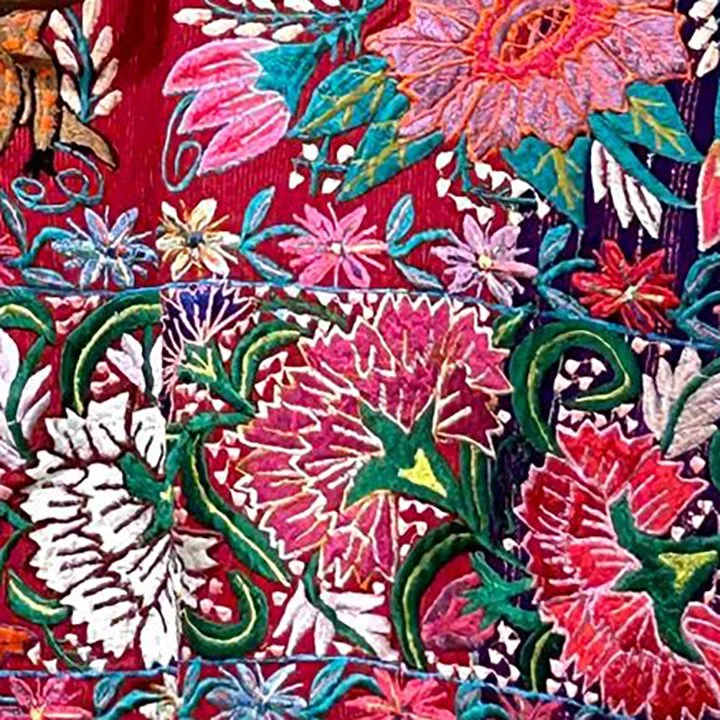
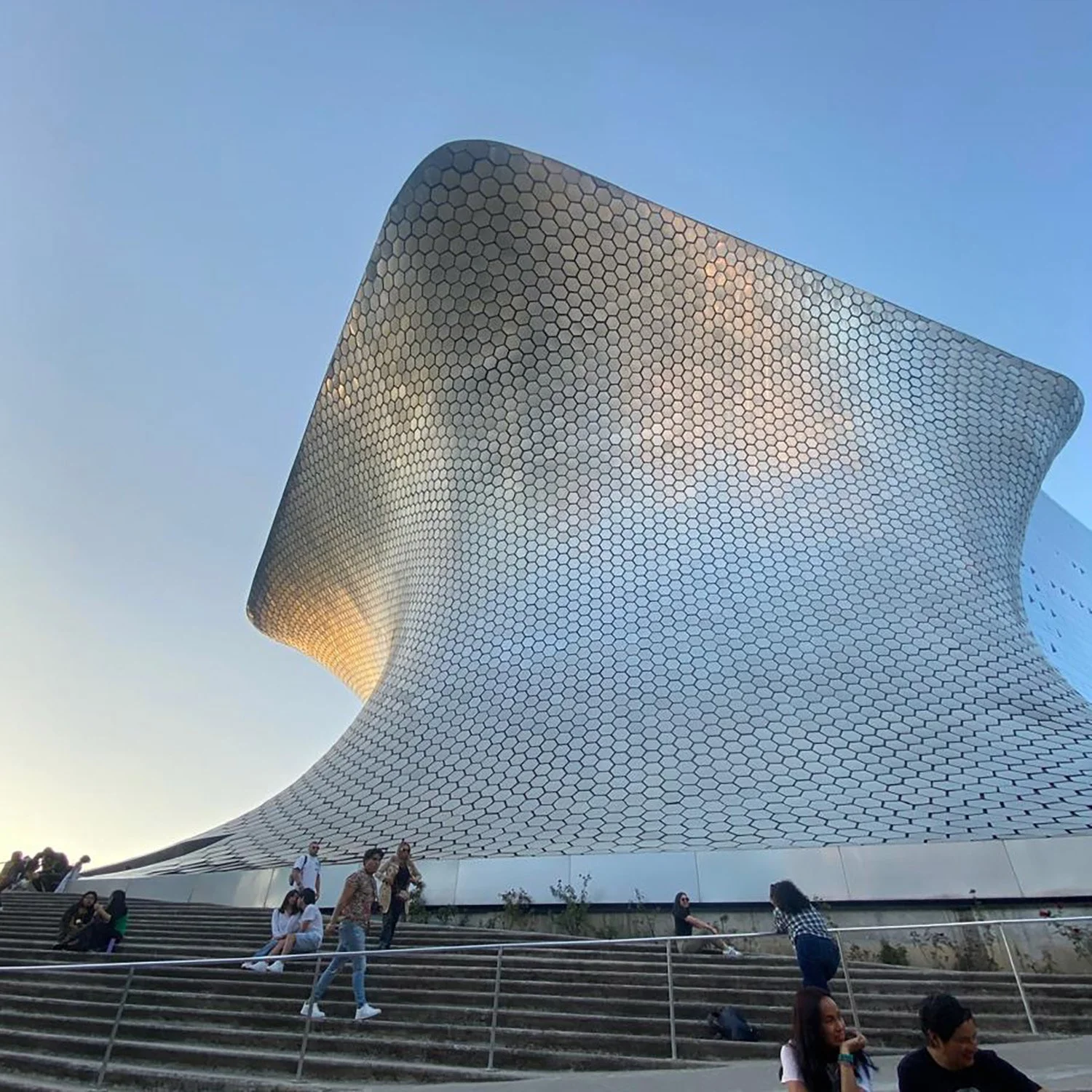
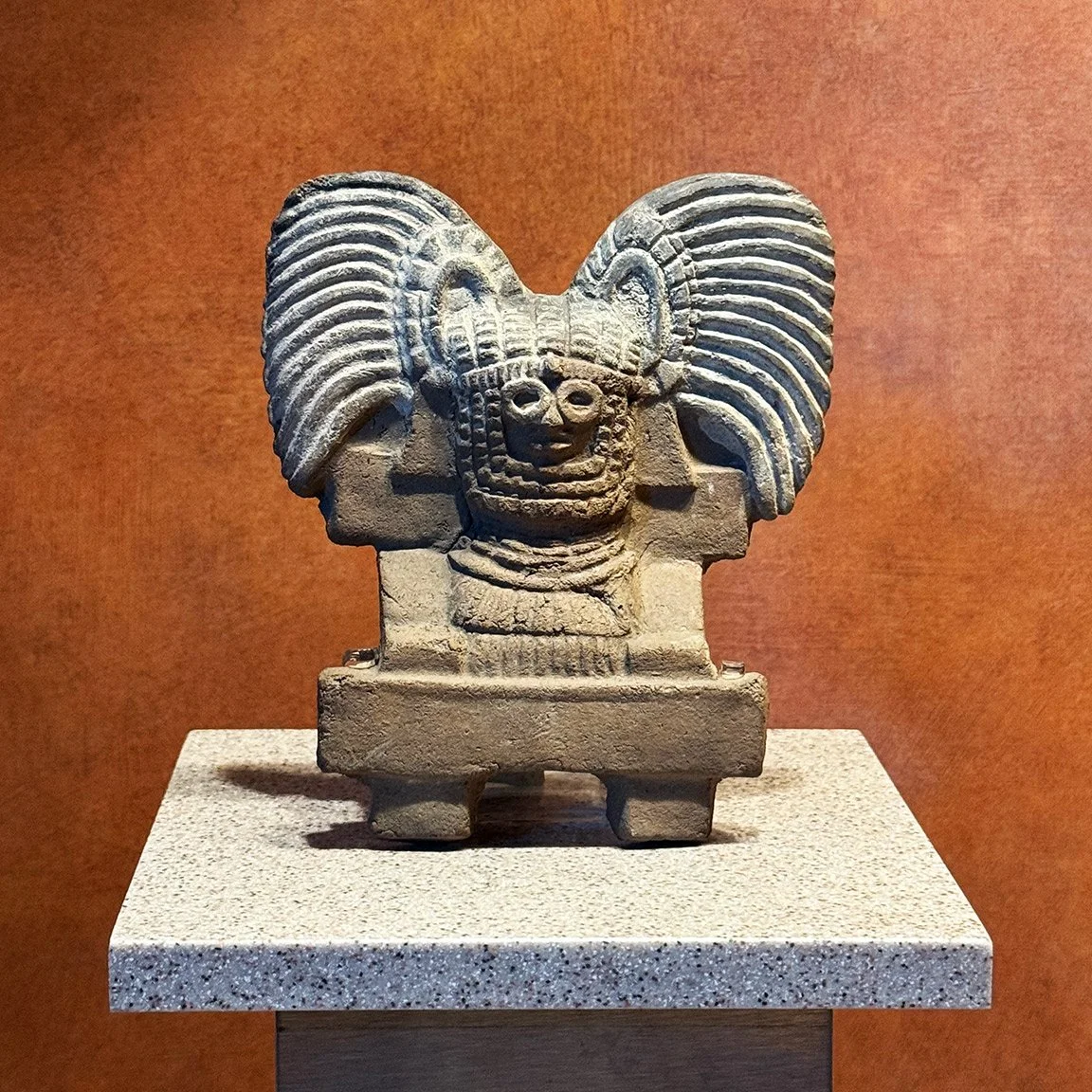
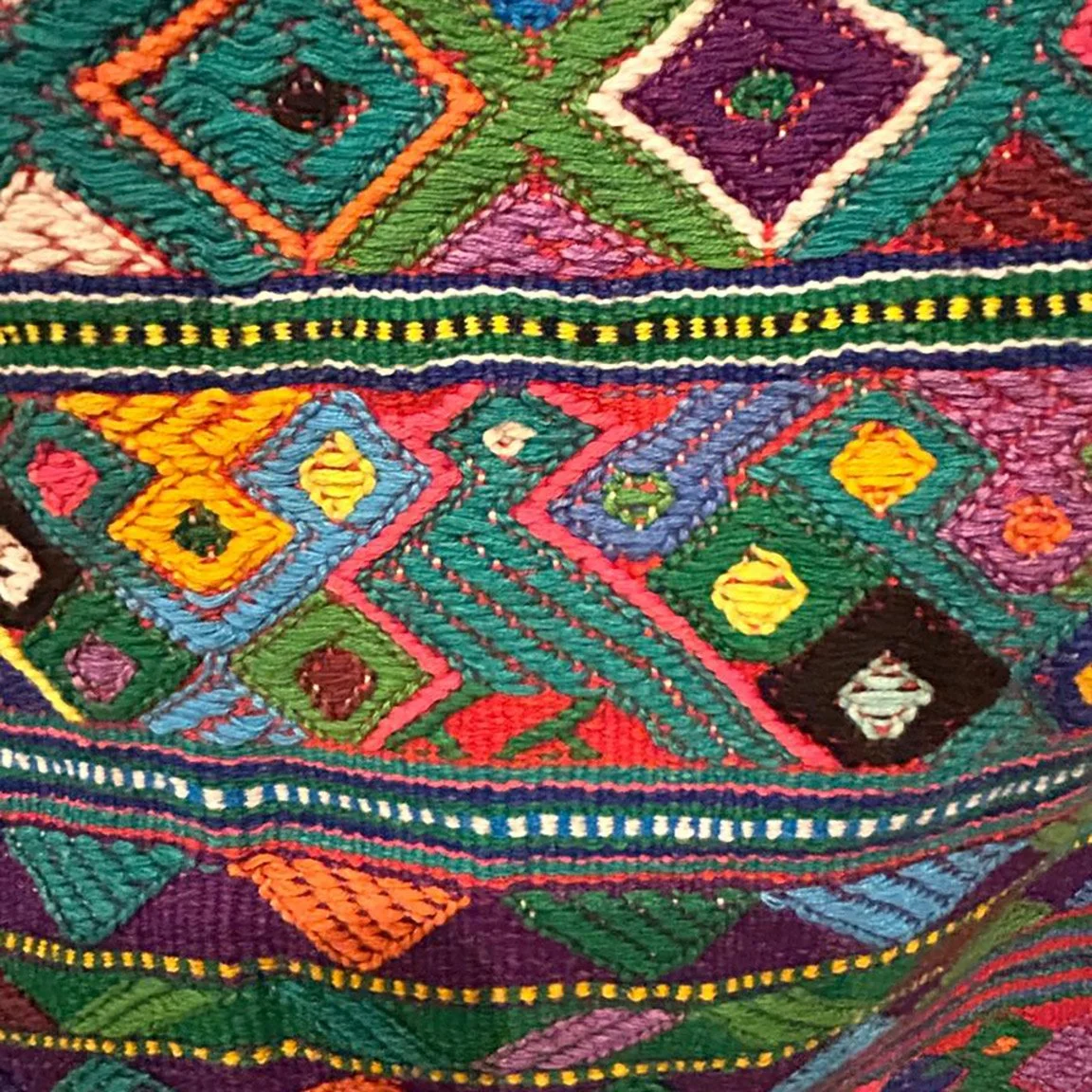
Explore weaving, embroidery, architectural splendours and ancient traditions in Mexico with Nadia Albertini
February 12-22, 2027
Mexico is a country of extraordinary artistic traditions, vibrant daily life, and deeply rooted textile cultures. Join us for an unforgettable journey through Mexico City, Oaxaca City, and San Cristóbal de las Casas, where color, craftsmanship, history, and hospitality come together in inspiring ways.
What makes this trip especially meaningful is that it will be led by a true local. Born and raised in Mexico City, Nadia brings a deep personal connection to the country along with extensive knowledge of textiles, folk art, and traditional craftsmanship. Traveling with someone who knows the culture from the inside opens doors to authentic experiences, meaningful conversations, and places most visitors never discover.
Designed for travelers who love textiles and cultural immersion, this journey offers the chance to meet remarkable artisans and learn about techniques passed down through generations, from back strap loom weaving and intricate embroidery to natural dyeing and traditional garment making.
Highlights to look forward to:
Explore historic neighborhoods and vibrant markets to world-class museums and exceptional cuisine.
Discover the artistic heart of Mexico, known for its textile traditions, artisan workshops, colorful streets, and celebrated food culture.
Meet the talented weavers, embroiderers, dyers, and textile artists in their studios and workshops, with opportunities to learn directly from them about their craft and traditions.
Savor the extraordinary flavors of Mexican cuisine, from handmade tortillas and mole sauces to regional specialties and beloved street foods.
Stay in charming boutique hotels, centrally located and surrounded by wonderful cafés, galleries, markets, and local shops.
This Mexican journey is an invitation to experience the country through the eyes of someone who truly knows and loves it. By means of its textiles, traditions, flavors, and people, you’ll discover a deeper and more personal side of Mexico while sharing an unforgettable adventure with fellow travelers who appreciate beauty, craftsmanship, and culture.
I T I N E R A R Y
-
Welcome to Mexico City, a vast, vibrant capital built on layers of deep and fascinating history, where the ancient Aztec city of Tenochtitlán lies beneath colonial architecture, and modern creativity pulses through every neighborhood.
In the afternoon, we will meet at our hotel in the historic center, just steps from the Zócalo, the monumental main square that has served as the heart of Mexican life for nearly 700 years. In the afternoon, we take a gentle orientation walk through this UNESCO World Heritage site, where the Metropolitan Cathedral rises beside the ruins of the Templo Mayor.
Our first stop is a renowned crafts museum—a beautiful introduction to Mexican artistry spanning centuries and regions. This visit sets the tone for our journey: textiles are never just fabric, but rather stories stitched into cloth, connecting hands across generations.
In the evening, we gather for a welcome dinner in a traditional Mexican restaurant surrounded by warmth, color, and the anticipation of new friendships, we share our first meal together and toast to the adventure ahead.
INCLUDED FOR THE DAY:
All local transportation
Museum entry fee
Welcome dinner
Lodging in Mexico City
-
This morning, after breakfast, we explore the historic center on foot, where tile-covered buildings frame colonial courtyards with their central fountains and bougainvillea. We walk by baroque churches where gold leaf catches the light, artisan shops selling everything from silver jewelry to embroidered rebozos, and the grand Palacio de Bellas Artes with its art nouveau and art deco splendor.
We visit an important museum, housed in a stunning 16th-century hospital building with cloistered courtyards. This museum holds one of Latin America's most important collections of decorative arts—colonial-era textiles showing European and indigenous fusion, intricate embroidered religious vestments, furniture inlaid with mother-of-pearl, Talavera ceramics, and objects that chronicle centuries of cultural exchange between Spain, Asia, and indigenous Mexico.
After lunch on a beautiful rooftop restaurant overlooking the city's terracotta rooftops and distant volcanoes, the afternoon slows to a gentler rhythm.
We gather on our hotel terrace with views of the Metropolitan Cathedral—the oldest and largest cathedral in all of Latin America, begun in 1573 and built over two centuries in layers of baroque, neoclassical, and churrigueresque styles. Here, surrounded by the city's architectural tapestry and the soft afternoon light, we begin our first embroidery workshop.
Hands find their rhythm with needle and thread. Conversation flows naturally. This is a moment to arrive fully—into the group, into the journey, into the simple, profound pleasure of making something beautiful together.
Dinner tonight is free, allowing you to rest, explore at your own pace, or join others for an informal meal in one of the neighborhood's many great restaurants.
INCLUDED FOR THE DAY:
Breakfast at the hotel in Mexico City
Museum visit
Lunch
Embroidery session and embroidery kit
Lodging in Mexico City
-
After a leisurely breakfast, we check out and drive to the neighborhood of Roma, Mexico City's artistic heart for nearly a century. Here, tree-lined streets reveal elegant Porfirian-era mansions and French-inspired art nouveau architecture from the early 1900s, when European aesthetics merged with Mexican sensibilities. Today, these grand “casonas” house contemporary galleries, design studios, independent bookshops, and concept stores where young Mexican designers reimagine traditional crafts for modern life.
We visit select galleries showcasing textile art, ceramics, and contemporary interpretations of ancestral techniques, then enjoy lunch in a beautifully restored “casona”—perhaps in a courtyard garden beneath jacaranda trees. A final stroll through Roma's streets, and we're off to the airport.
A short flight carries us south to Oaxaca City, beloved for its honey-colored stone buildings, cobblestone streets, vibrant markets, and living indigenous cultures. Eight distinct ethnic groups call the Oaxaca valleys home, each with its own language, traditions, and textile heritage—Zapotec, Mixtec, Mazatec, Chinantec, and others who have inhabited these valleys for millennia.
Upon arrival, we transfer to our hotel in the historic center, another UNESCO World Heritage site where Spanish colonial architecture blends seamlessly with pre-Hispanic foundations. The evening is quiet and unhurried, with dinner at the hotel, a gentle transition into Oaxaca's slower, more contemplative rhythm. Here, in this southern highland city, you'll discover the Mexico that lives beyond headlines and tourist clichés: a place where ancient traditions aren't museum pieces but daily practice.
INCLUDED FOR THE DAY:
Breakfast at the hotel in Mexico City
Lunch
All ground transportation
Air transportation from Mexico City to Oaxaca City
Dinner
Lodging in Oaxaca City
-
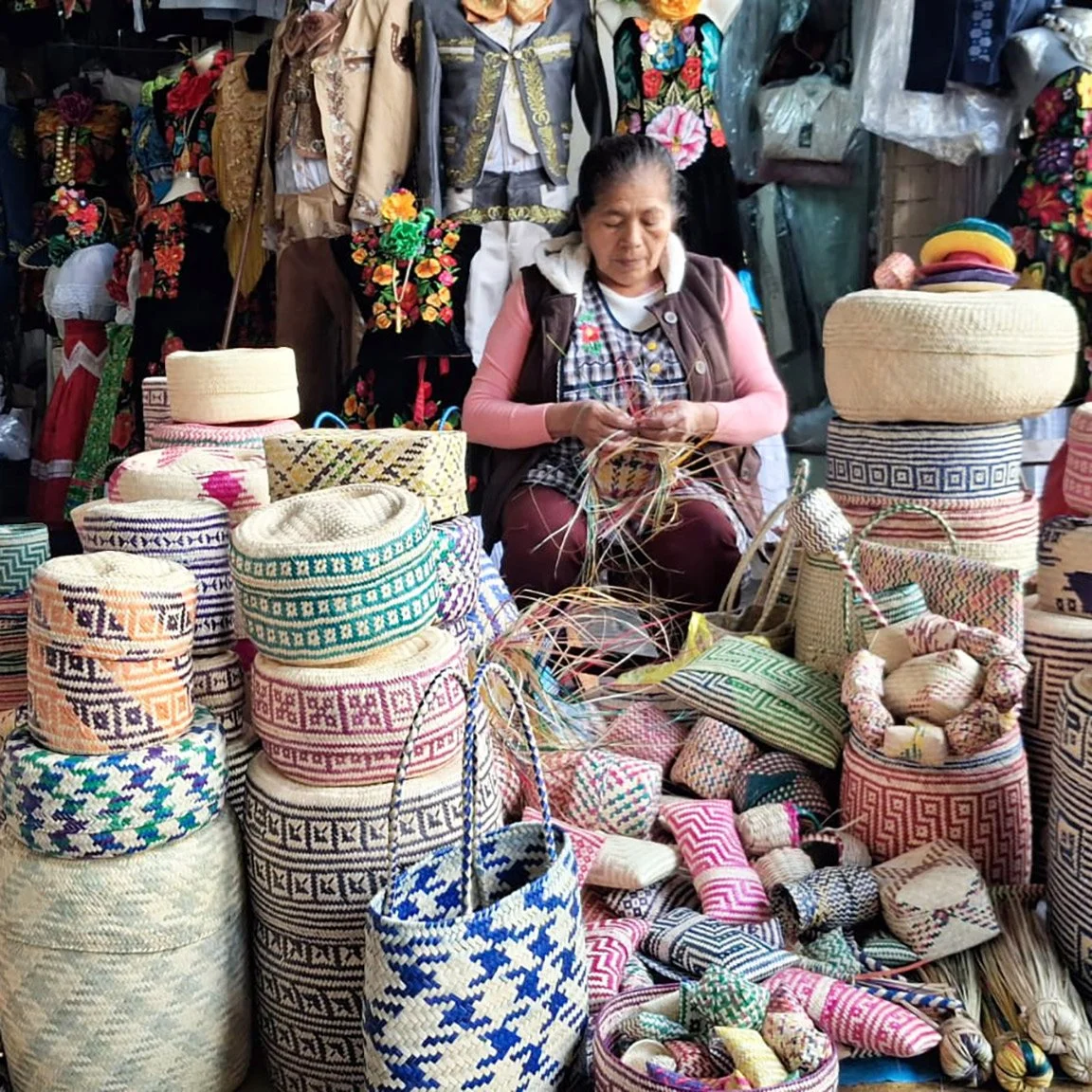
Our first full Oaxacan morning begins after breakfast with a visit to the central market, the beating heart of the city. This is no curated experience but real, vibrant daily life: vendors arranging pyramids of tejate (a pre-Hispanic cacao drink), butchers calling out their offerings, flower sellers creating altars of marigolds and tuberose, and textile vendors displaying hand-woven huipiles, embroidered blouses, indigo-dyed shawls, and palm-fiber baskets overflowing with color.
We wander slowly, absorbing it all: the particular blue of natural indigo, the intricate geometric patterns of Zapotec weaving, the rainbow explosion of embroidered flowers from San Antonino, the smell of chocolate being ground on metates, and the sound of Zapotec and Spanish intermingling.
From the market's sensory abundance, we move to the Textile Museum of Oaxaca, housed in a restored colonial building not far from the Santo Domingo church complex. This essential museum traces Oaxaca's extraordinary textile heritage from pre-Hispanic backstrap looms to contemporary innovations. You'll see how cotton was first cultivated in these valleys 5,000 years ago, how cochineal insects became more valuable than gold during colonial times for their crimson dye, and how weavers today continue techniques their ancestors practiced before the Spanish arrived.
After lunch on one of the most picturesque terraces facing the Zócalo—where laurel trees provide shade and marimba music drifts through the air—we return to our hotel for our second embroidery workshop.
Today we focus on the beautiful, intricate floral patterns of San Antonino Castillo Velasco, a small Zapotec village just south of Oaxaca City. San Antonino embroidery is distinguished by its creation of the "immortal flower"—the flor inmortal, also called hazme si puedes ("make me if you can"), a flower that never dies, much like memory itself. These elaborate thread flowers bloom across white cotton fabric in explosions of magenta, orange, yellow, and green, each stitch a tiny act of devotion and skill.
This particular style holds special meaning for our guide Nadia, who wore these vibrant embroidered blouses throughout her childhood, lovingly purchased in these markets by her abuela. Guided by skilled hands and patient instruction, you'll learn stitches rooted in symbolism, place, and generations of feminine knowledge passed from mother to daughter, grandmother to granddaughter.
Dinner is at leisure, explore on your own or join fellow travelers for tlayudas, mole, or mezcal tasting.
INCLUDED FOR THE DAY:
Breakfast at the hotel in Oaxaca City
All ground transportation
Museum visit
Lunch
Lodging in Oaxaca City
-
An early breakfast, then we depart for the mountains of the Sierra de Juárez, where elevation rises and temperature drops as we climb toward the clouds.
Today offers a rare and unforgettable experience: a journey to one of only two remaining silk-producing villages in Oaxaca state. Silk production has an unexpected history here. Spanish colonizers introduced silkworms (gusanos de seda) to Mexico in the early 16th century, and for more than a hundred years, Oaxacan silk rivaled that of China and Persia, enriching Spanish coffers and transforming local economies. But the industry collapsed centuries ago, and the knowledge nearly disappeared.
Now, in this remote Zapotec community hidden among pine forests and mulberry groves, a cooperative of determined women is reviving this almost-lost art. The road from Oaxaca crosses the central valleys, then winds upward through forests and mist, taking us far from the city and into a different understanding of time.
We spend the day with these remarkable women who harvest silk filament from cocoons, spin it into lustrous thread, weave it on backstrap looms, and dye it with plants gathered from the surrounding mountains—pericón for yellow, añil for blue, muicle for purple. We're not observers here but participants, learning the silk dyeing process directly from the artisans, sharing techniques, stories, and a simple, delicious lunch together on their terrace overlooking infinite mountain ridges.
This is a day of shared knowledge and genuine connection, where textiles are inseparable from community, landscape, and the fierce determination of women to preserve what might otherwise be forgotten.
In the afternoon, Nadia and Ana will teach a contemporary embroidery class to the entire group—local women and travelers together—creating a unique moment of cultural exchange that honors both tradition and innovation.
We return to Oaxaca in the evening, tired in the best way, hearts full, deeply moved by what we've witnessed and shared. Dinner together in a beautiful neighborhood restaurant where we can process the day's gifts.
INCLUDED FOR THE DAY:
Breakfast at the hotel in Oaxaca City
Transportation for the day
Lunch
Weaving demonstration and embroidery session
Dinner
Lodging in Oaxaca City
-
We are mid-way through our trip and a morning is needed to relax, connect with our loved ones over a call or email, read, take our time to digest everything we have seen so far.
Before noon, we travel to Teotitlán del Valle, one of Oaxaca’s most renowned weaving villages, where Zapotec families have worked wool on pedal looms for generations. The village name comes from Nahuatl: Teo (god) and titlan (place among), literally "place among the gods."
Here, we visit family workshops where you'll see the entire process: wool being washed and carded, natural dyes being prepared (cochineal for red, indigo for blue, pomegranate for yellow, lichen for orange), and weavers working the large pedal looms introduced by Spanish colonizers but adapted to create distinctly Zapotec designs—geometric patterns that encode cosmological meaning, stylized animals, and the famous "Mitla" fretwork designs inspired by the ancient archaeological site nearby.
We'll also visit the small community museum that connects textiles to ritual, history, and daily life—reminding us that these weavings aren't simply decorative but sacred, used in ceremonies, weddings, and offerings.
In the afternoon, we discover another facet of Oaxacan material culture: traditional candle-making and the floral arts essential to Oaxacan ceremonies. In a culture where Day of the Dead altars glow with thousands of marigolds and handmade candles, where every saint's day requires specific flowers and offerings, these practices reveal that textiles exist within a broader universe of making, devotion, and celebration.
Late afternoon return to Oaxaca. The evening is entirely free: rest, connect with family, catch up on emails, or simply sit in the Zócalo watching the world go by.
INCLUDED FOR THE DAY:
Breakfast at the hotel in Oaxaca City
All ground transportation
Lunch
Candle-making workshop
Lodging in Oaxaca City
-
We say goodbye to Oaxaca's golden light and fly to Tuxtla Gutiérrez, capital of Chiapas, Mexico's southernmost state. From there, we continue by road into the highlands, climbing through dramatic landscape changes: tropical vegetation giving way to pine forests, heat yielding to mountain coolness, the air growing thinner and softer.
Chiapas is Mexico's most indigenous state, where Maya languages are spoken as first languages, where traditional dress is daily wear rather than ceremonial costume, and where pre-Hispanic worldviews still shape how people understand time, nature, and community.
We arrive in San Cristóbal de las Casas, a colonial jewel at 2,200 meters elevation, founded by Spanish conquistadors in 1528 but built on much older Maya foundations. The city's very name reflects its complex history: named for the Dominican friar Bartolomé de las Casas, a controversial figure who defended indigenous peoples against Spanish abuses while supporting colonization.
We check into our beautiful and centrally-located hotel, a restored colonial house with interior patios and fireplaces. The rest of the afternoon is free to rest, unpack, and acclimate to the altitude. In the evening, we gather for a welcome dinner, marking the beginning of this third and perhaps most profound chapter of our journey.
INCLUDED FOR THE DAY:
Breakfast at the hotel in Oaxaca. City
All ground transportation
Air transportation to Tuxtla Gutiérrez, Chiapas
Dinner
Lodging in San Cristóbal de las Casas
-
This morning, we explore San Cristóbal's historic center, beginning with the municipal market, a vibrant crossroads where Tzotzil and Tzeltal Maya people from dozens of surrounding highland villages gather daily to sell produce, flowers, herbs, and handicrafts. The visual spectacle is extraordinary: women in hand-woven wool skirts (naguas) and embroidered blouses, each village identifiable by distinctive colors, patterns, and embroidery styles.
San Cristóbal, affectionately called "San Cris" by locals, feels profoundly different from everywhere else in Mexico. The Maya soul is palpable: in people's faces, in the Tzotzil language heard on every street corner, in the scent of posh (ceremonial sugarcane liquor), in the food (tamales wrapped in banana leaves, thick hot chocolate beaten with a molinillo), and in the sounds of marimbas and church bells echoing between cobblestone streets.
We walk through the Zócalo, visit the baroque Santo Domingo church with its churrigueresque gold-leafed interior, and wander streets lined with one-story colonial houses painted in ochre, pink, and blue, their walls so thick they still bear the original 16th-century construction.
We visit the Maya Textile Museum, housed in a beautifully restored Dominican convent. This museum is extraordinary: specially lit drawers pull out to reveal treasures of Maya weaving and embroidery—huipiles covered in symbolic animals (frogs for rain, butterflies for souls, double-headed eagles for power), ceremonial clothing encoding cosmological knowledge, and contemporary pieces that show how young weavers are innovating while honoring ancestral designs.
The colors, patterns, and symbolic complexity are breathtaking. Each community has its own visual language: the purple and magenta of Zinacantán, the white and red of Chamula, the yellow and green of Chenalhó. Be prepared to be completely inspired.
After lunch in a charming local restaurant, we return to our hotel for a Chamula embroidery workshop. We focus on the distinctive symbolic motifs of San Juan Chamula, the most traditional and spiritually conservative of the highland Maya communities. These geometric and zoomorphic patterns carry deep meaning: diamonds represent the universe, X-shapes mark the four cardinal directions, and stylized flowers connect earth and sky. Guided by regional references and lived knowledge, we learn stitches that encode centuries of Maya cosmology.
Dinner is at leisure, explore San Cristóbal's excellent restaurant scene or rest by the fire with a book.
INCLUDED FOR THE DAY:
Breakfast at the hotel in San Cristóbal de las Casas
Museum visit
Lunch
Embroidery workshop
Lodging in San Cristóbal de las Casas
-
Today we journey north to San Andrés Larráinzar, a Tzotzil Maya village about an hour from San Cristóbal, where the road climbs higher still into mist-shrouded pine forests and traditional life continues with remarkable vitality.
We visit the home and workshop of an extraordinary young weaver who learned her craft from her mother on the backstrap loom, the same tool Maya women have used for over 2,000 years. She has taken these ancestral techniques to a fantastic level of intricacy and modern expression, creating pieces that honor tradition while speaking to contemporary life. She'll share her personal story: her passion for preserving Maya textile knowledge, her role in women's cooperatives fighting for economic independence and creative freedom, and how weaving connects her to ancestors, land, and future generations.
With this passionate weaver as our guide, we'll explore natural wool dyeing using plants gathered from surrounding mountains: chilca for yellow, sacatinta for purple, tree bark for browns and blacks. We'll watch as she weaves incredibly intricate patterns on the backstrap loom, her body tension controlling the warp threads, her hands flying in movements perfected over decades.
We share a simple, delicious lunch of handmade quesadillas prepared by her cousins, eating together surrounded by textiles, color, and the kind of deep, quiet conversation that happens when language barriers dissolve through shared work and mutual respect.
This is immersion in its truest form, not as tourists observing exotic customs but as students humbly receiving knowledge from master teachers.
We return to San Cristóbal for a quiet dinner at the hotel, ready to rest and prepare for our final full day in Chiapas.
INCLUDED FOR THE DAY:
Breakfast at the hotel in San Cristóbal de las Casas
All ground transportation
Lunch
Weaving demonstration
Dinner
Lodging in San Cristóbal de las Casas
-
Our last full day takes us to Zinacantán, the "place of bats" in Tzotzil, one of the most visually stunning of all the highland Maya communities. Zinacanteco men still wear pink-and-white striped tunics and flat straw hats decorated with ribbons; women dress in vibrant purple shawls embroidered with flowers so abundant and exuberant they seem to spill off the fabric.
Zinacantán's embroidery tradition is immediately recognizable: massive, fantastical flowers in hot pink, magenta, purple, orange, and red cascade across white fabric in joyful explosions of color. These aren't botanical representations but symbolic blooms—flores de fantasía—that express abundance, fertility, beauty, and the sheer pleasure of decorating the world.
We visit a family of embroiderers who will teach us their distinctive floral style, working with satin stitch and chain stitch to create petals that catch the light. The flowers grow beneath our needles, each petal an act of patience and love.
We'll also visit Zinacantán's remarkable church, where Maya and Catholic traditions blend in ways the Vatican never intended: pine needles cover the floor, copal smoke rises to baroque saints, healers perform ceremonies, and Coca-Cola serves as a ritual offering. It's a profound reminder that colonization never completely succeeded—indigenous belief systems absorbed Christianity and transformed it into something entirely their own.
After lunch in the community, we gather for our final embroidery session, a moment to reflect on everything we've learned, made, and experienced over these ten days. What began as separate threads in Mexico City has been woven into something larger: friendships, understanding, hands carrying new knowledge home.
We return to San Cristóbal for a farewell dinner, celebrating what we have witnessed, learned, and created together. Stories are shared, contact information exchanged, promises made to stay connected. There's laughter, perhaps a few tears, certainly mezcal, and the warm satisfaction of time well spent in good company.
INCLUDED FOR THE DAY:
Breakfast at the hotel in San Cristóbal de las Casas
All ground transportation
Embroidery workshop
Lunch
Dinner
Lodging in San Cristóbal de las Casas
-
After breakfast, we check out and transfer to the airport in Tuxtla Gutiérrez for departures.
The threads we've followed from Mexico City through Oaxaca to Chiapas now follow you home, woven into your own story, ready to be shared with others who might not yet understand that every piece of cloth holds a world.
INCLUDED FOR THE DAY:
Breakfast at the hotel in Oaxaca. City
Ground transportation from San Cristóbal de las Casas to Tuxtla Gutiérrez airport
JOIN NADIA IN MEXICO NEXT WINTER
11 days — 10 nights
Capped at 10 participants
English-spoken
€6,750 per participant, single-occupancy room with ensuite bathroom
Secure your spot with a non-refundable deposit of €1,000
February 12 to 22, 2027
Questions about the accommodations? Don’t hesitate in contacting us.
All photographs are the property of Nadia Albertini except those taken by our contributing photographers: Federico C., Dante Z., Patricia T.
MEXICO CITY: Nights 1 and 2. Each participant will enjoy the occupancy of a single room with ensuite bathroom in the lovely and centraL Hotel Zocalo Central.
OAXACA CITY: Nights 3 to 6. Each participant will enjoy the occupancy of a single room with ensuite bathroom in the welcoming Hotel Con Corazón.
SAN CRISTÓBAL DE LAS CASAS: Nights 7 to 10. Each participant will enjoy the occupancy of a single room with ensuite bathroom in the charming Hotel Sombre del Agua.
Included in this experiential learning opportunity:
Lodging for 10 nights
All breakfasts, except on day 1
All lunches, except on days 1 and 11
All dinners, except on days 2, 4, 6, 8 and 11
All ground transportation
Admission fees to all paid-for activities (such as museums and ateliers)
Air transportation:
Mexico City to Oaxaca City
Oaxaca City to Tuxtla Gutiérrez, Chiapas
Not included:
Airfare/transportation to Mexico City and from Tuxtla Gutiérrez, Chiapas
Travel, medical and cancellation insurance (for which you must provide proof of acquisition before joining us in Uzbekistan)
Vaccinations or boosters suggested by your physician
Breakfast on day 1
Lunch on days 1 and 11
Dinners on days 2, 4, 6, 8 and 11; these days you will enjoy dinner independently, whether by trying our suggestions or discovering your own local gems
Any additional expenses guests may incur on their own outside of what has already been stipulated, such as groceries, spa days/evenings, and certainly any supplies acquired during our visits to specialized stores.
More scheduling details will be provided closer to the start of the program.
Please note that the focus of our program is around the topic of embroidery and the revival of many other textile traditions in Mexico. It will be packed with many unique and fascinating visits, therefore, it is important to mention this experiential learning opportunity is designed to nurture your interest and curiosity in embroidery, textile and local fashion for both personal and professional advancement as it will be filled with bespoke workshops, lectures, research and practice.
Unfortunately, our schedule won’t allow for the more traditional sightseeing of Mexico nor shopping unrelated to the learning outcomes. We invite you to plan personal-interest visits and activities at your own leisure, either a few days before or after our programme ends, or in the evenings.
Please don’t hesitate to reach out before signing up if you have any questions.
Thinking of booking alongside a friend? Both of you would be eligible to a friend’s discount.
Please reach out so we may send more details about this special promotion.
Please note that some activities in the program may be subject to change